Polyarteritis Nodosa

Polyarteritis Nodosa Treatment at IRIS
Medium Vessel Vasculitis

Understanding Polyarteritis Nodosa: Symptoms, Diagnosis & Advanced Care

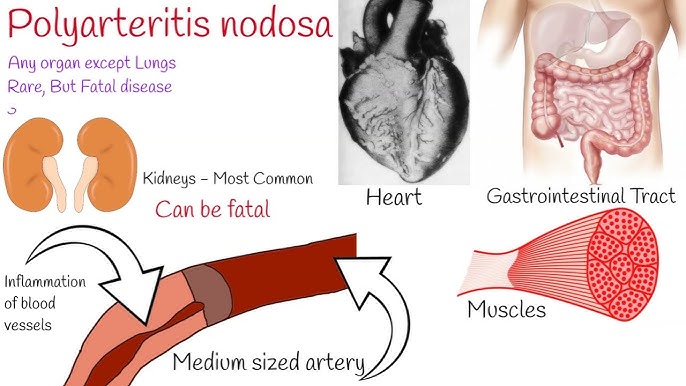
Polyarteritis Nodosa (PAN) is a rare autoimmune inflammatory disorder that affects medium-sized blood vessels, causing necrotizing vasculitis leading to organ damage and tissue ischemia. Unlike other vasculitides, PAN typically spares the lungs and is associated with hepatitis B infection in some cases. Early diagnosis and targeted treatment are crucial to managing symptoms, preventing organ damage, and improving quality of life. At IRIS Centre for Rheumatology, we offer world-class, patient-centric care for PAN using the latest advances in rheumatology.
Polyarteritis Nodosa can affect anyone at any age, but it most commonly occurs in middle-aged adults (40-60 years). Men are affected slightly more frequently than women. The condition may also cause systemic inflammation affecting the skin, nerves, kidneys, and gastrointestinal tract. At IRIS, our multidisciplinary team ensures comprehensive management from early diagnosis to long-term remission strategies.

With our state-of-the-art immunodiagnostic laboratory, angiography, and personalized treatment plans — including immunosuppressants, corticosteroids, and antiviral therapy for HBV-associated PAN — we aim to halt disease progression, relieve symptoms, and prevent organ damage. Healing begins with expert care and compassion.

Polyarteritis Nodosa Symptoms

Common Symptoms of Polyarteritis Nodosa

PAN symptoms can affect multiple organ systems. Early recognition leads to better outcomes.

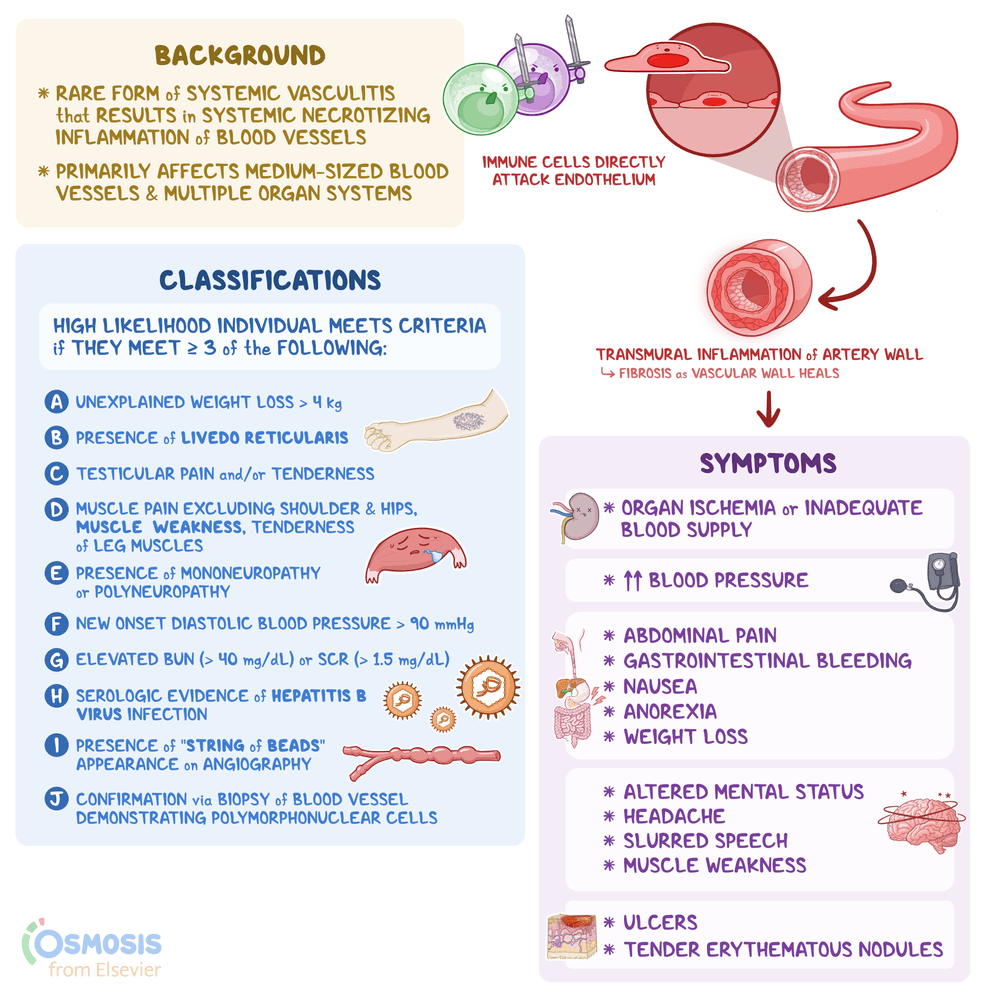
  • Fever, fatigue, weight loss (constitutional symptoms)
  • Skin manifestations: Livedo reticularis, nodules, ulcers
  • Mononeuritis multiplex (nerve damage causing weakness/numbness)
  • Abdominal pain, nausea, vomiting (gastrointestinal involvement)
  • Testicular pain, hypertension (renal artery involvement)
  • Muscle and joint pain

Diagnosis at IRIS

Early and accurate diagnosis is key to controlling PAN. Our advanced diagnostic tools include:

  • Comprehensive clinical examination & organ assessment
  • Blood tests: ESR, CRP, Hepatitis B serology
  • ANCA testing (usually negative in PAN)
  • Angiography (CT or conventional) for vessel abnormalities
  • Tissue biopsy (skin, nerve, muscle) for definitive diagnosis

Advanced Treatment Options

We tailor treatments to achieve remission and improve life quality.

  • Corticosteroids for rapid inflammation control
  • Cyclophosphamide for severe or refractory disease
  • Antiviral therapy for Hepatitis B-associated PAN
  • Immunosuppressive agents (Azathioprine, Methotrexate)
  • Biologic agents (Rituximab, TNF inhibitors) for refractory cases
  • Plasmapheresis in severe cases

Why Choose IRIS for Polyarteritis Nodosa Care?

  • Expert rheumatologists with 13+ years experience
  • ISO 9001:2015 Certified & NABH accredited lab
  • Advanced angiography and imaging capabilities
  • Personalized immunosuppressive therapy monitoring
  • Integrated neurology, nephrology, and GI care
  • Compassionate, patient-centric approach
  • Over 2000+ patients successfully treated
  • Multidisciplinary care for systemic involvement


IRIS Centre for Rheumatology Kollam