Giant Cell Arteritis & Polymyalgia Rheumatica

Giant Cell Arteritis Treatment at IRIS
Large Vessel Vasculitis and Rheumatic Disorder

Understanding Giant Cell Arteritis & Polymyalgia Rheumatica: Symptoms, Diagnosis & Advanced Care

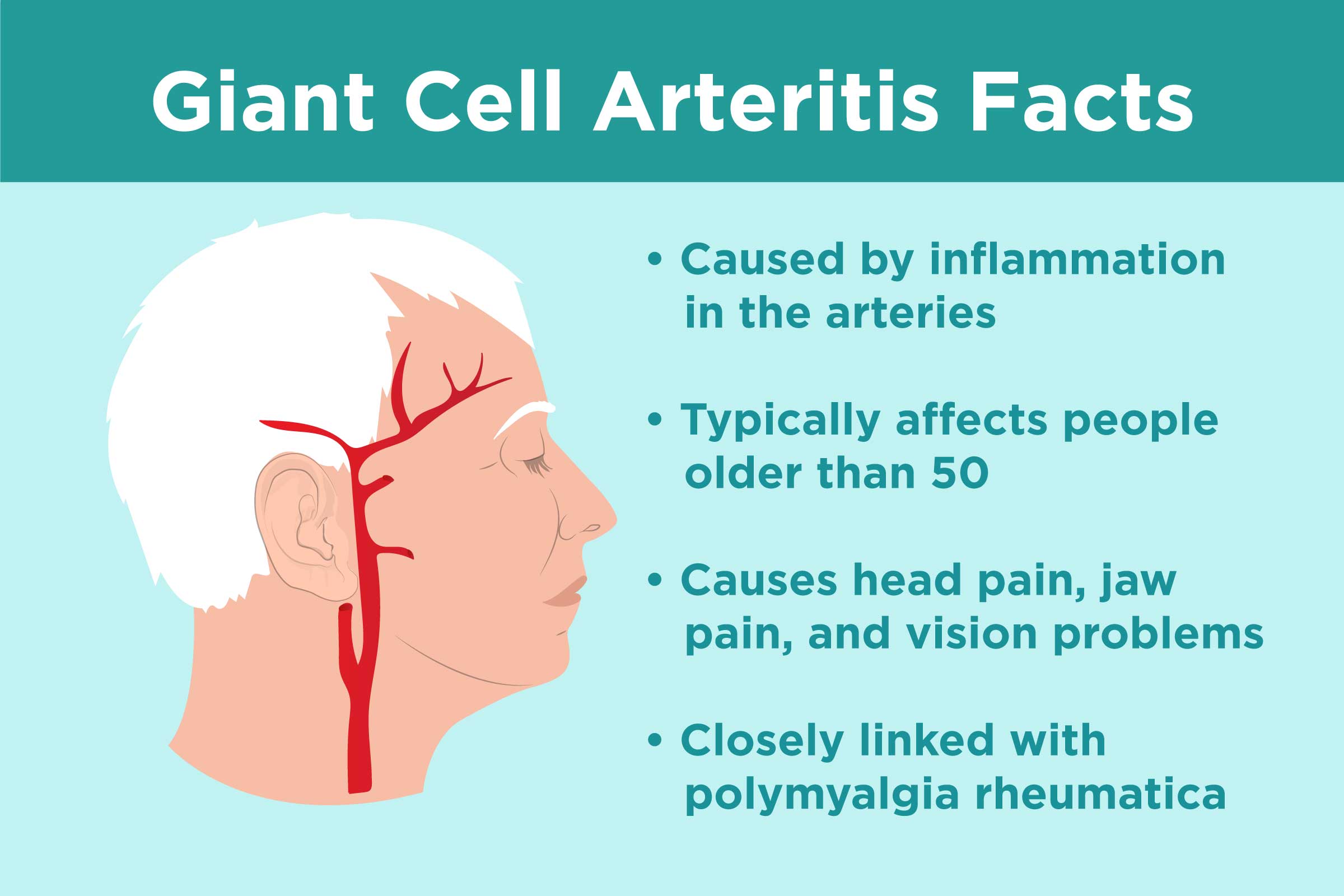
Giant Cell Arteritis (GCA), also known as Temporal Arteritis, is a chronic autoimmune inflammatory disorder that affects the large and medium-sized blood vessels, particularly the temporal arteries, causing headache, vision problems, and jaw pain. Polymyalgia Rheumatica (PMR) is a closely related inflammatory condition that causes severe muscle pain and stiffness in the shoulders and hips. Early diagnosis and targeted treatment are crucial to preventing vision loss and improving quality of life. At IRIS Centre for Rheumatology, we offer world-class, patient-centric care for GCA and PMR using the latest advances in rheumatology.
Giant Cell Arteritis and Polymyalgia Rheumatica almost exclusively affect adults over 50 years, with the highest incidence in people over 70. Women are affected more frequently than men. These conditions are closely related, with about 50% of GCA patients having PMR symptoms. At IRIS, our multidisciplinary team ensures comprehensive management from early diagnosis to long-term remission strategies.

With our state-of-the-art immunodiagnostic laboratory, temporal artery ultrasound, and personalized treatment plans — including corticosteroids and steroid-sparing agents — we aim to halt disease progression, relieve symptoms, and prevent complications. Healing begins with expert care and compassion.

Giant Cell Arteritis Symptoms

Common Symptoms of Giant Cell Arteritis & Polymyalgia Rheumatica

GCA and PMR symptoms can overlap. Early recognition leads to better outcomes.

  • Severe headache (especially in temporal region)
  • Scalp tenderness and jaw pain while chewing
  • Sudden vision changes or vision loss (emergency)
  • Shoulder and hip girdle pain and stiffness (PMR)
  • Morning stiffness lasting more than 45 minutes
  • Fatigue, fever, weight loss, and anemia

Diagnosis at IRIS

Early and accurate diagnosis is key to controlling GCA and PMR. Our advanced diagnostic tools include:

  • Comprehensive clinical examination & symptom assessment
  • Blood tests: ESR, CRP (very high levels), Complete blood count
  • Temporal artery ultrasound (halo sign)
  • Temporal artery biopsy (gold standard for GCA)
  • Imaging studies (MRI, PET-CT) for large vessel involvement

Advanced Treatment Options

We tailor treatments to achieve remission and improve life quality.

  • High-dose corticosteroids for rapid inflammation control
  • Slow tapering of steroids to prevent relapse
  • Steroid-sparing agents (Methotrexate, Tocilizumab)
  • Biologic agents (Tocilizumab - FDA approved for GCA)
  • Low-dose aspirin for vascular protection
  • Regular monitoring for vision and vascular complications

Why Choose IRIS for Giant Cell Arteritis & Polymyalgia Rheumatica Care?

  • Expert rheumatologists with 13+ years experience
  • ISO 9001:2015 Certified & NABH accredited lab
  • On-site temporal artery ultrasound capabilities
  • Personalized corticosteroid tapering protocols
  • Integrated ophthalmology and neurology care
  • Compassionate, patient-centric approach
  • Over 2000+ patients successfully treated
  • Multidisciplinary care for systemic involvement


IRIS Centre for Rheumatology Kollam