Osteoporosis

Osteoporosis Treatment at IRIS
Bone Density Loss Condition

Understanding Osteoporosis: Symptoms, Diagnosis & Advanced Care

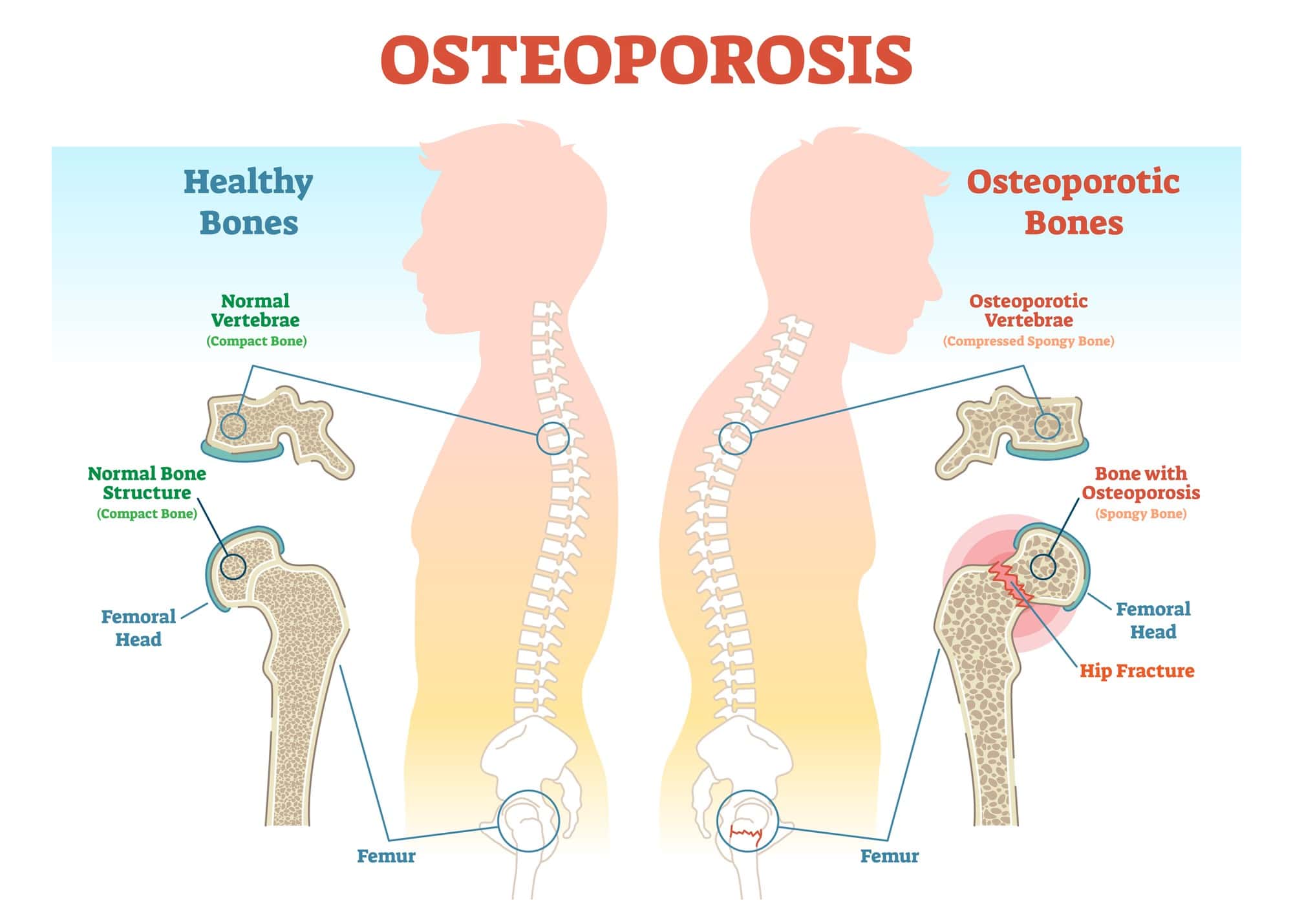
Osteoporosis is a progressive metabolic bone disease characterized by low bone mass and deterioration of bone tissue, leading to increased bone fragility and fracture risk. Often called the "silent disease," osteoporosis progresses without symptoms until a fracture occurs. Unlike osteomalacia (soft bones), osteoporosis involves bone density loss without mineralization defects. Early diagnosis and targeted treatment are crucial to preventing fractures, maintaining mobility, and improving quality of life. At IRIS Centre for Rheumatology, we offer world-class, patient-centric care for osteoporosis using the latest advances in rheumatology and bone health medicine.
Osteoporosis affects millions worldwide, with prevalence increasing with age. Women are at higher risk, especially after menopause, but men can also develop osteoporosis. Risk factors include advanced age, female gender, family history, low body weight, smoking, excessive alcohol, corticosteroid use, and certain medical conditions. At IRIS, our multidisciplinary team ensures comprehensive management from early screening to long-term fracture prevention strategies.

With our state-of-the-art bone densitometry (DEXA scan), laboratory testing, and personalized treatment plans — including lifestyle modifications, calcium and vitamin D supplementation, pharmacotherapy, and fall prevention — we aim to improve bone density, prevent fractures, and enhance quality of life. Healing begins with expert care and compassion.

Osteoporosis Symptoms

Common Symptoms and Signs of Osteoporosis

Osteoporosis is often asymptomatic until a fracture occurs. Early detection through screening is key.

  • Loss of height over time (kyphosis or "dowager's hump")
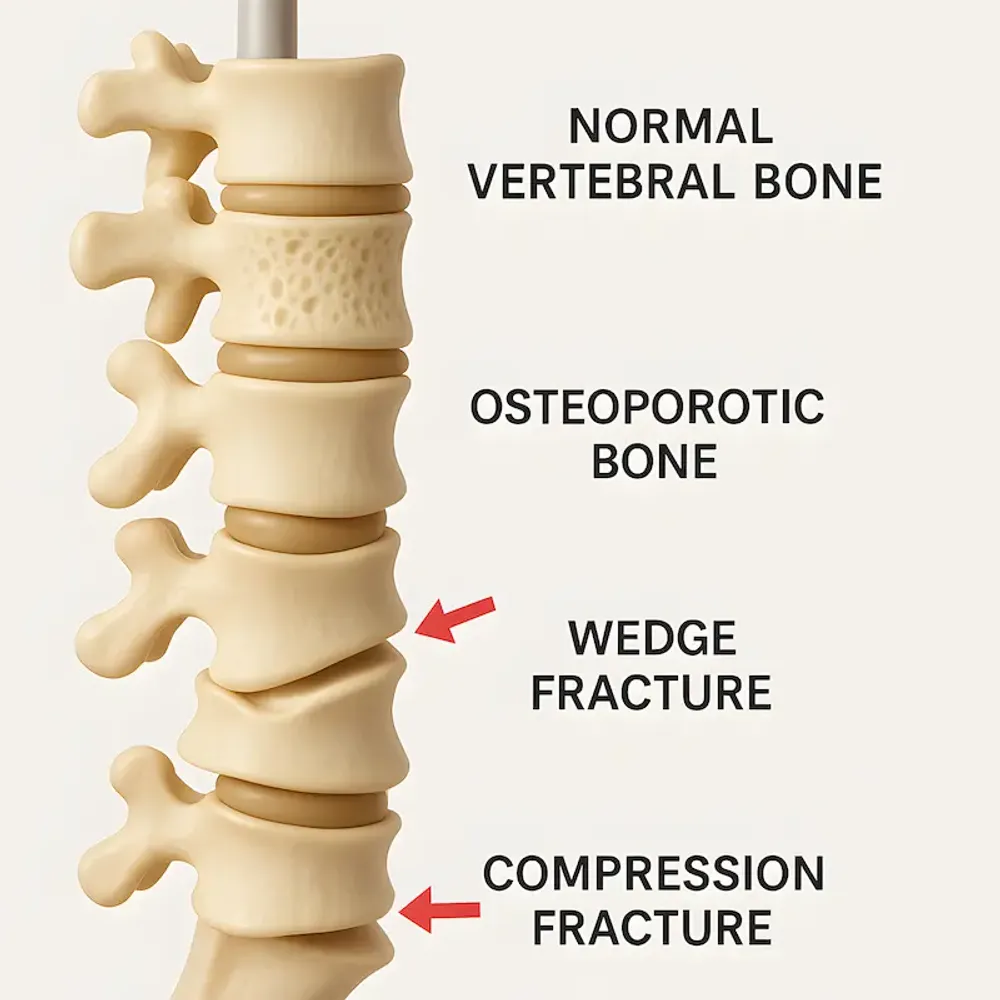
  • Back pain from vertebral compression fractures
  • Fractures from minimal trauma (fragility fractures)
  • Stooped posture and spinal deformities
  • Protruding abdomen due to spinal shortening
  • Decreased mobility and functional limitations

Diagnosis at IRIS

Early and accurate diagnosis is key to preventing osteoporotic fractures. Our advanced diagnostic tools include:

  • Comprehensive clinical examination and fracture risk assessment (FRAX)
  • Bone Mineral Density (DEXA scan) - Gold standard for diagnosis
  • Blood tests: Calcium, Vitamin D, PTH, Thyroid function, Testosterone (men)
  • Urinary markers of bone resorption
  • Vertebral fracture assessment and X-rays

Advanced Treatment Options

We tailor treatments to improve bone density and prevent fractures.

  • Lifestyle modifications: Weight-bearing exercise, smoking cessation, fall prevention
  • Calcium and vitamin D supplementation (adequate daily intake)
  • Bisphosphonates (Alendronate, Risedronate, Zoledronic acid) - First-line therapy
  • Denosumab (RANKL inhibitor) for high-risk patients
  • Teriparatide (anabolic agent) for severe osteoporosis
  • Hormone replacement therapy (HRT) for postmenopausal women

Why Choose IRIS for Osteoporosis Care?

  • Expert rheumatologists with 13+ years experience
  • On-site DEXA bone densitometry scan
  • ISO 9001:2015 Certified & NABH accredited lab
  • Personalized fracture risk assessment and monitoring
  • Comprehensive osteoporosis pharmacotherapy (oral and injectable)
  • Integrated fall prevention and lifestyle guidance
  • Over 2000+ patients successfully treated
  • Ongoing bone health and fracture prevention support


IRIS Centre for Rheumatology Kollam