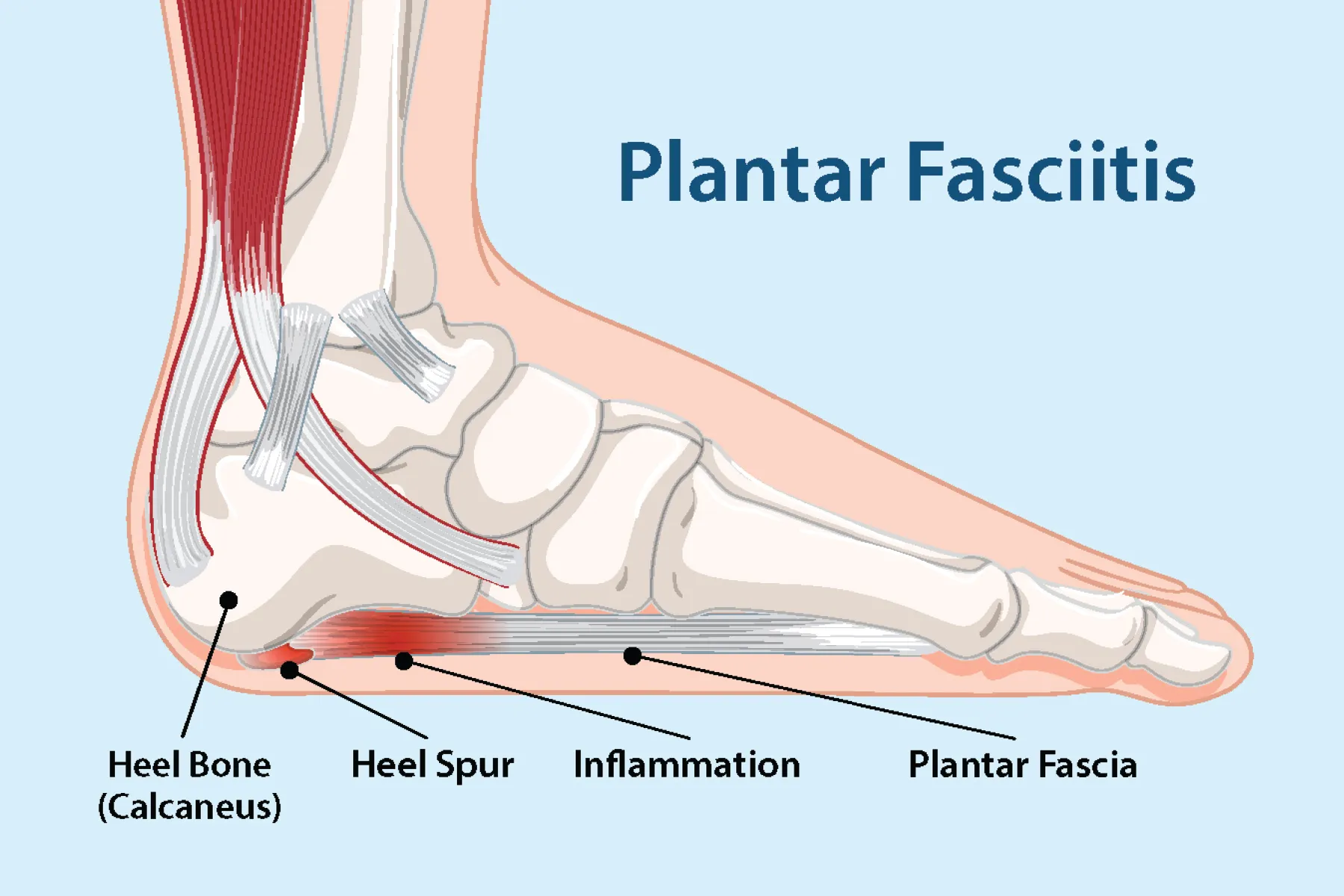
Plantar Fasciitis

Plantar Fasciitis Treatment at IRIS
Heel and Foot Arch Pain Condition

Understanding Plantar Fasciitis: Symptoms, Diagnosis & Advanced Care

Plantar Fasciitis is a common painful condition affecting the plantar fascia, a thick band of connective tissue that runs along the bottom of the foot from the heel to the toes. It is characterized by inflammation, degeneration, and micro-tearing of the fascia, leading to heel pain and foot arch discomfort. Plantar Fasciitis is the most common cause of heel pain, accounting for approximately 80% of cases. Early diagnosis and targeted treatment are crucial to managing symptoms, preventing chronic pain, and improving mobility. At IRIS Centre for Rheumatology, we offer world-class, patient-centric care for plantar fasciitis using the latest advances in rheumatology and sports medicine.
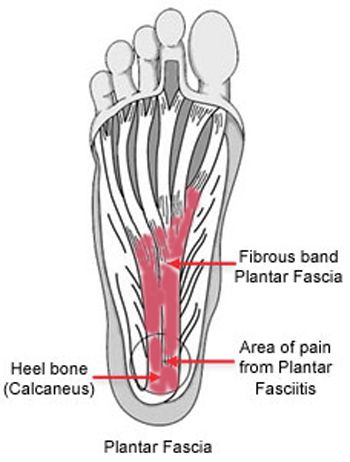
Plantar Fasciitis can affect anyone, but it is most common in individuals between 40 and 60 years. Risk factors include obesity, occupations requiring prolonged standing, running or high-impact sports, tight calf muscles, high arches or flat feet, and inappropriate footwear. At IRIS, our multidisciplinary team ensures comprehensive management from early diagnosis to long-term recovery strategies.

With our state-of-the-art musculoskeletal ultrasound, physiotherapy, and personalized treatment plans — including rest, stretching, orthotics, medications, injections, and rehabilitation — we aim to reduce pain, restore function, prevent recurrence, and enhance quality of life. Healing begins with expert care and compassion.

Plantar Fasciitis Symptoms

Common Symptoms of Plantar Fasciitis

Plantar Fasciitis symptoms typically develop gradually. Early recognition leads to better outcomes.

  • Sharp, stabbing pain in the heel (especially with first steps in the morning)
  • Pain that decreases after walking but may return after prolonged activity
  • Pain along the arch of the foot
  • Pain after prolonged standing or getting up after sitting
  • Tenderness when pressing on the bottom of the heel
  • Stiffness and difficulty with high-impact activities

Diagnosis at IRIS

Early and accurate diagnosis is key to controlling plantar fasciitis. Our advanced diagnostic approach includes:

  • Comprehensive clinical examination and foot assessment
  • Musculoskeletal Ultrasound for fascial thickening and inflammation
  • X-rays to rule out heel spurs or stress fractures
  • MRI for complex or refractory cases
  • Gait analysis and biomechanical assessment

Advanced Treatment Options

We tailor treatments to achieve symptom control and improve life quality.

  • Rest and activity modification (avoid high-impact activities)
  • NSAIDs for pain and inflammation control
  • Stretching exercises (calf, Achilles, and plantar fascia stretches)
  • Corticosteroid injections for severe inflammation
  • Orthotics (heel pads, arch supports, night splints)
  • Shockwave therapy and platelet-rich plasma (PRP) for chronic cases

Why Choose IRIS for Plantar Fasciitis Care?

  • Expert rheumatologists with 13+ years experience
  • On-site musculoskeletal ultrasound
  • Advanced injection therapy (corticosteroid, PRP, shockwave)
  • Personalized stretching and rehabilitation programs
  • Integrated podiatry and biomechanical assessment
  • Compassionate, patient-centric approach
  • Over 2000+ patients successfully treated
  • Ongoing support and footwear guidance
IRIS Centre for Rheumatology Kollam