Osteomalacia & Vitamin D Deficiency

Osteomalacia Treatment at IRIS
Metabolic Bone Disease

Understanding Osteomalacia & Vitamin D Deficiency: Symptoms, Diagnosis & Advanced Care

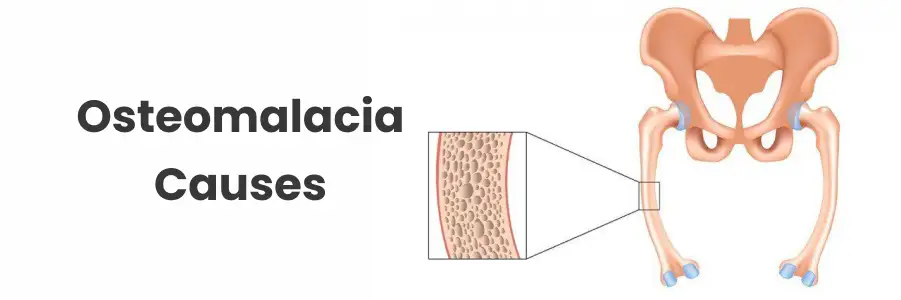
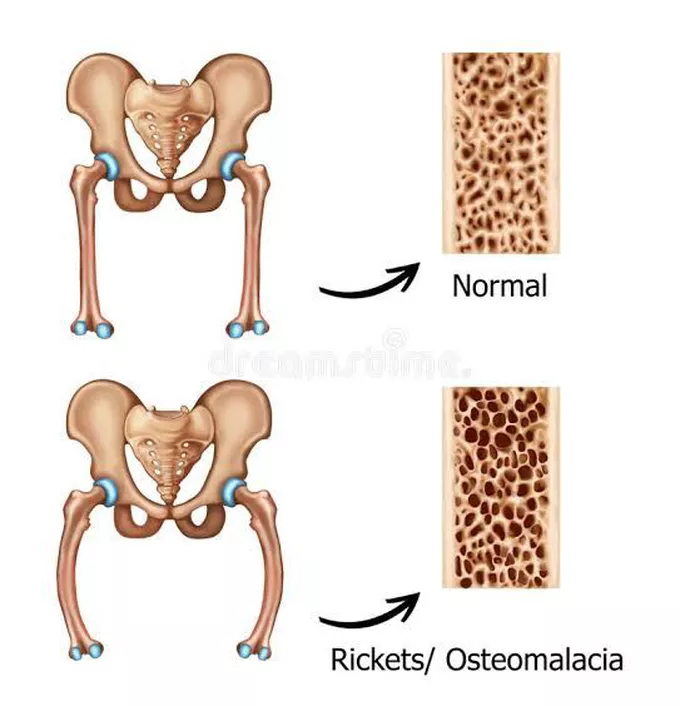
Osteomalacia is a metabolic bone disease characterized by softening of the bones due to defective mineralization, most commonly caused by severe vitamin D deficiency. Unlike osteoporosis, which involves bone density loss, osteomalacia results in inadequate calcium incorporation into the bone matrix, leading to weak, soft bones that are prone to fractures and deformities. Early diagnosis and targeted treatment are crucial to managing symptoms, preventing fractures, and improving quality of life. At IRIS Centre for Rheumatology, we offer world-class, patient-centric care for osteomalacia and vitamin D deficiency using the latest advances in rheumatology and metabolic bone medicine.
Vitamin D deficiency is extremely common worldwide, affecting people of all ages. Risk factors include lack of sun exposure, dark skin, malabsorption syndromes, chronic kidney disease, and certain medications. At IRIS, our multidisciplinary team ensures comprehensive management from early diagnosis to long-term bone health strategies.

With our state-of-the-art diagnostic laboratory, bone density testing, and personalized treatment plans — including vitamin D and calcium supplementation, dietary modifications, and management of underlying causes — we aim to correct deficiencies, relieve symptoms, strengthen bones, and enhance quality of life. Healing begins with expert care and compassion.

Osteomalacia Symptoms

Common Symptoms of Osteomalacia & Vitamin D Deficiency

Osteomalacia symptoms can be subtle initially. Early recognition leads to better outcomes.

  • Diffuse bone pain (hips, lower back, legs, ribs)
  • Muscle weakness (especially proximal muscles, waddling gait)
  • Bone tenderness and difficulty bearing weight
  • Frequent fractures with minimal trauma
  • Bone deformities (bowed legs, scoliosis, kyphosis)
  • Fatigue, muscle cramps, and dental problems

Diagnosis at IRIS

Early and accurate diagnosis is key to controlling osteomalacia. Our advanced diagnostic tools include:

  • Comprehensive clinical examination and risk factor assessment
  • Blood tests: Vitamin D (25-OHD), Calcium, Phosphorus, PTH, Alkaline Phosphatase
  • Urinalysis for calcium and phosphate excretion
  • X-rays for Looser zones (pseudofractures) and bone deformities
  • Bone mineral density (DEXA scan) for bone health assessment

Advanced Treatment Options

We tailor treatments to achieve symptom control and improve bone health.

  • High-dose vitamin D supplementation (cholecalciferol or ergocalciferol)
  • Calcium supplementation (with adequate dietary intake)
  • Management of underlying cause (malabsorption, kidney disease)
  • Sun exposure recommendations and dietary modifications
  • Physical therapy and strengthening exercises
  • Regular monitoring of vitamin D and bone health

Why Choose IRIS for Osteomalacia & Vitamin D Deficiency Care?

  • Expert rheumatologists with 13+ years experience
  • ISO 9001:2015 Certified & NABH accredited lab
  • Advanced vitamin D and bone health testing
  • Personalized supplementation and monitoring protocols
  • Integrated metabolic and nutritional guidance
  • Compassionate, patient-centric approach
  • Over 2000+ patients successfully treated
  • Ongoing bone health and fracture prevention support


IRIS Centre for Rheumatology Kollam