Cervical Spondylosis

Cervical Spondylosis Treatment at IRIS
Age-Related Cervical Spine Degeneration

Understanding Cervical Spondylosis: Symptoms, Diagnosis & Advanced Care

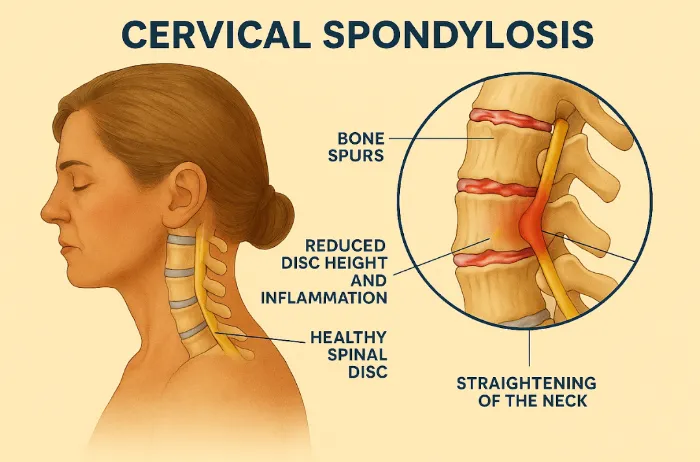
Cervical Spondylosis is a common age-related degenerative condition affecting the cervical spine (neck) that involves wear and tear of the intervertebral discs, vertebral bodies, and facet joints. It is a form of osteoarthritis of the spine that can lead to neck pain, stiffness, and in advanced cases, compression of nerve roots or the spinal cord. Early diagnosis and targeted treatment are crucial to managing symptoms, preventing neurological complications, and improving quality of life. At IRIS Centre for Rheumatology, we offer world-class, patient-centric care for cervical spondylosis using the latest advances in rheumatology and spine care.
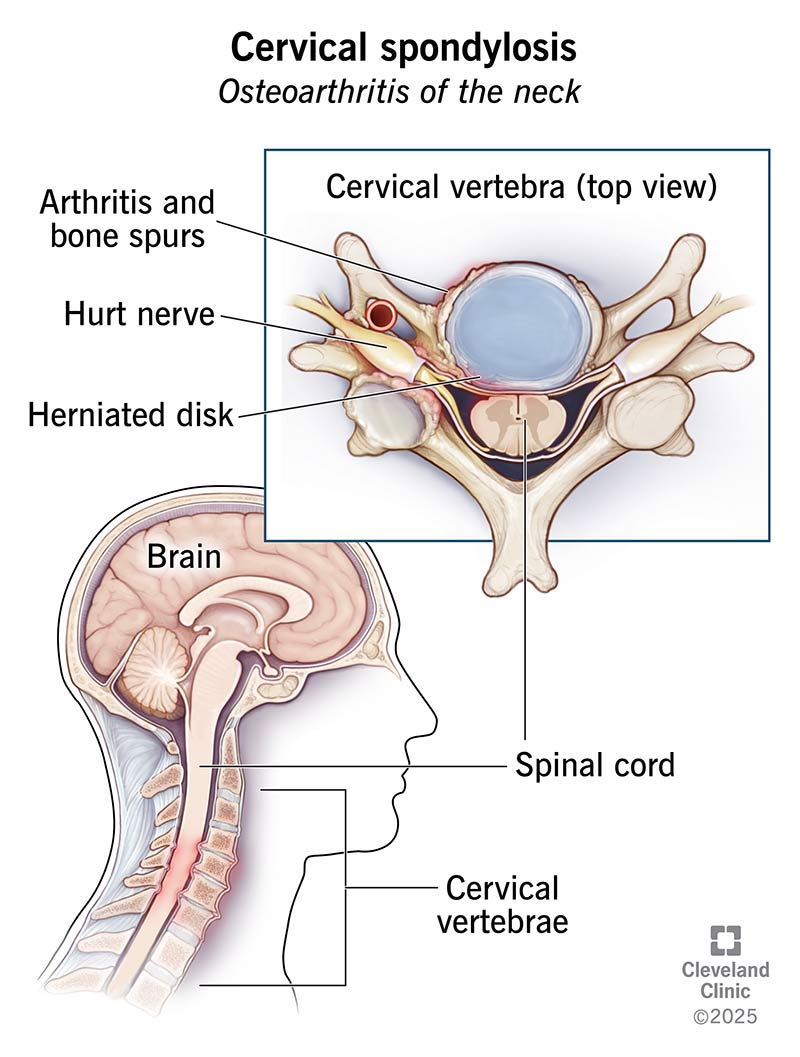
Cervical Spondylosis is very common, affecting more than 85% of people over the age of 60. It can affect younger individuals, especially those with a history of neck injury or repetitive occupational strain. At IRIS, our multidisciplinary team ensures comprehensive management from early diagnosis to long-term care strategies.

With our state-of-the-art imaging, pain management protocols, and personalized treatment plans — including physiotherapy, medications, injections, and lifestyle modifications — we aim to reduce pain, improve function, prevent complications, and enhance quality of life. Healing begins with expert care and compassion.

Cervical Spondylosis Symptoms

Common Symptoms of Cervical Spondylosis

Cervical Spondylosis symptoms can range from mild to severe. Early recognition leads to better outcomes.

  • Neck pain and stiffness (worsens with activity or prolonged posture)
  • Radiating pain to shoulders, arms, or hands (radiculopathy)
  • Headaches (often starting at the back of the head)
  • Numbness, tingling, or weakness in arms or hands
  • Loss of balance or coordination (myelopathy)
  • Crepitus or grinding sensation with neck movement

Diagnosis at IRIS

Early and accurate diagnosis is key to controlling cervical spondylosis. Our diagnostic approach includes:

  • Comprehensive clinical examination and neurological assessment
  • X-rays of the cervical spine for bone changes and alignment
  • MRI for detailed evaluation of discs, nerves, and spinal cord
  • CT scan for bony detail and spinal canal assessment
  • Nerve conduction studies and EMG for nerve compression

Advanced Treatment Options

We tailor treatments to achieve symptom control and improve life quality.

  • Physical therapy and neck exercises
  • Medications: NSAIDs, muscle relaxants, analgesics, neuropathic pain agents
  • Cervical traction and manual therapy
  • Epidural steroid injections and nerve blocks
  • Postural correction and ergonomic modifications
  • Surgical intervention for severe myelopathy or radiculopathy

Why Choose IRIS for Cervical Spondylosis Care?

  • Expert rheumatologists with 13+ years experience
  • Advanced imaging capabilities (X-ray, MRI, CT)
  • Comprehensive pain management and injection therapy
  • Personalized rehabilitation and physiotherapy plans
  • Integrated neurology and spine care
  • Compassionate, patient-centric approach
  • Over 2000+ patients successfully treated
  • Ongoing support and lifestyle guidance


IRIS Centre for Rheumatology Kollam