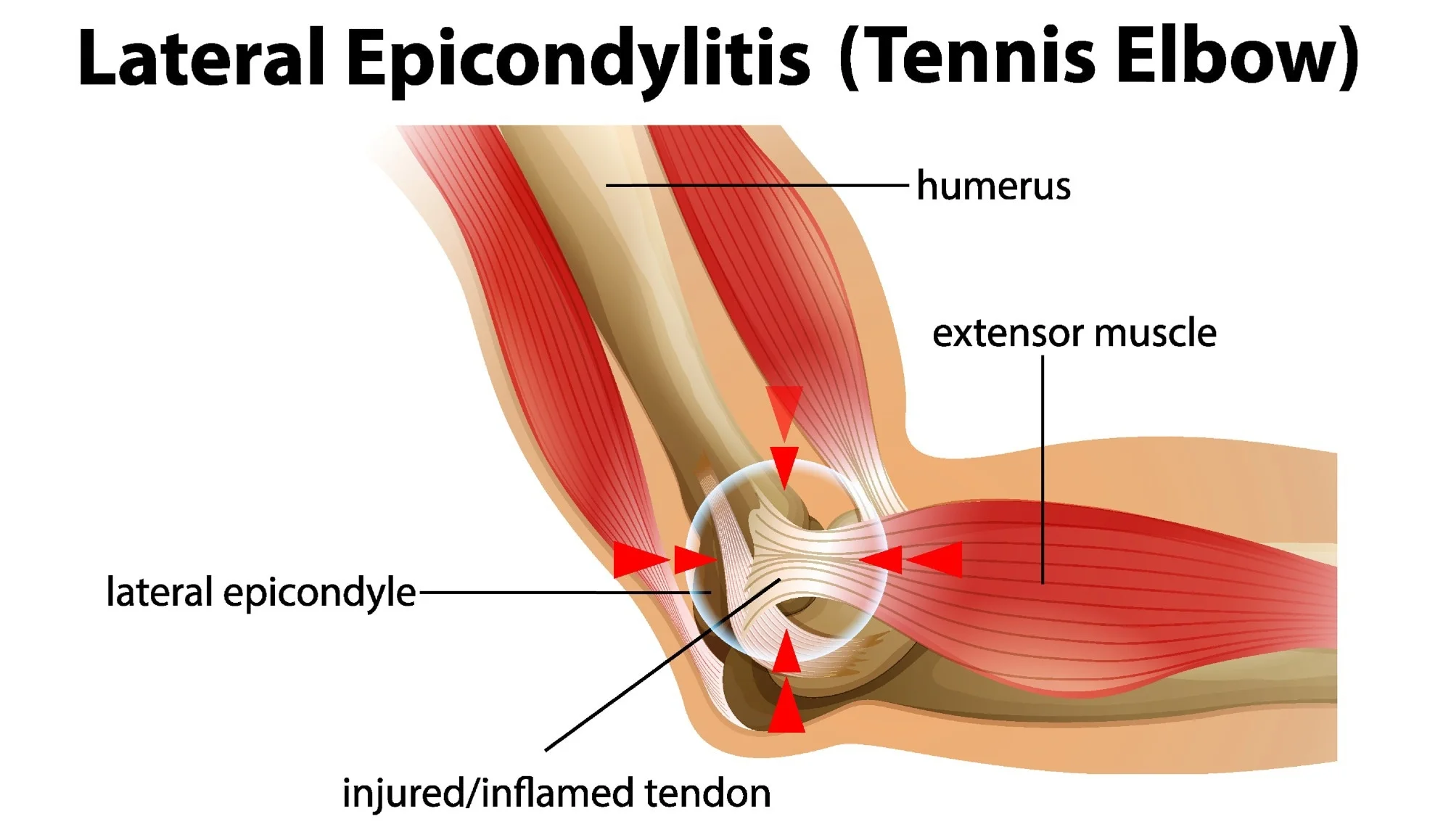
Lateral Epicondylitis (Tennis Elbow)

Lateral Epicondylitis Treatment at IRIS
Outer Elbow Tendon Inflammation

Understanding Lateral Epicondylitis (Tennis Elbow): Symptoms, Diagnosis & Advanced Care

Lateral Epicondylitis, commonly known as Tennis Elbow, is a painful condition caused by inflammation and micro-tearing of the tendons that attach to the lateral epicondyle (outer bony bump) of the elbow. These tendons are responsible for wrist extension and forearm supination. Tennis Elbow affects the outer aspect of the elbow and is one of the most common overuse injuries of the upper extremity. Early diagnosis and targeted treatment are crucial to managing symptoms, preventing chronic pain, and improving quality of life. At IRIS Centre for Rheumatology, we offer world-class, patient-centric care for lateral epicondylitis using the latest advances in rheumatology and sports medicine.
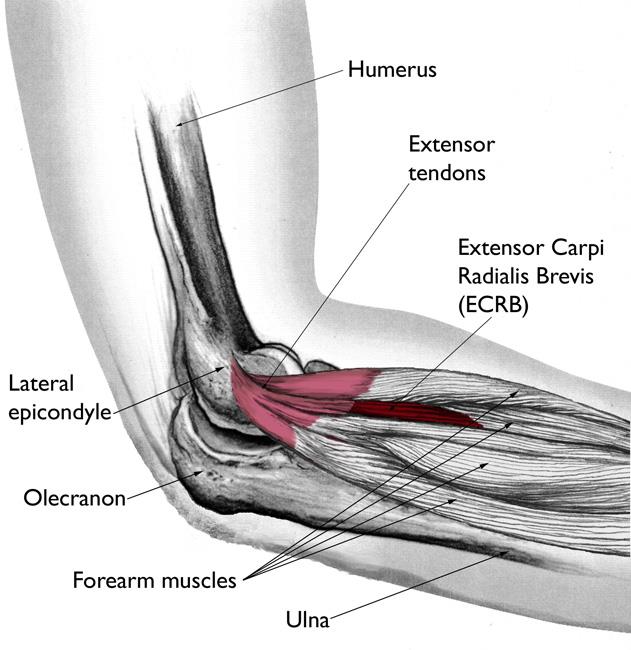
Lateral Epicondylitis can affect anyone, but it is most common in individuals between 35 and 55 years of age. Despite its name, Tennis Elbow affects far more non-tennis players than tennis players. It is associated with repetitive wrist extension activities such as using a computer mouse, painting, carpentry, plumbing, and playing musical instruments. At IRIS, our multidisciplinary team ensures comprehensive management from early diagnosis to long-term recovery strategies.

With our state-of-the-art musculoskeletal ultrasound, physiotherapy, and personalized treatment plans — including rest, bracing, medications, injections, and rehabilitation — we aim to reduce pain, restore function, prevent recurrence, and enhance quality of life. Healing begins with expert care and compassion.

Lateral Epicondylitis Symptoms

Common Symptoms of Lateral Epicondylitis

Tennis Elbow symptoms typically develop gradually. Early recognition leads to better outcomes.

  • Pain and tenderness on the outer side of the elbow
  • Pain that radiates down the forearm to the wrist
  • Weakness in the wrist and hand grip strength
  • Stiffness in the elbow with limited range of motion
  • Difficulty holding objects, shaking hands, or turning doorknobs
  • Pain aggravated by wrist extension or lifting activities

Diagnosis at IRIS

Early and accurate diagnosis is key to controlling lateral epicondylitis. Our advanced diagnostic tools include:

  • Comprehensive clinical examination and elbow assessment
  • Musculoskeletal Ultrasound for tendon inflammation and tears
  • X-rays to rule out other elbow pathology
  • MRI for detailed evaluation of tendon damage
  • Provocative tests (Cozen test, Mill's test, chair lift test)

Advanced Treatment Options

We tailor treatments to achieve symptom control and improve life quality.

  • Rest and activity modification (avoid extension activities)
  • NSAIDs for pain and inflammation control
  • Corticosteroid injections for severe inflammation
  • Physical therapy with stretching and eccentric strengthening
  • Counterforce bracing and splinting
  • Platelet-rich plasma (PRP) therapy and shockwave therapy

Why Choose IRIS for Lateral Epicondylitis Care?

  • Expert rheumatologists with 13+ years experience
  • On-site musculoskeletal ultrasound
  • Advanced injection therapy (corticosteroid, PRP)
  • Personalized physiotherapy and rehabilitation
  • Integrated sports medicine and orthopedics care
  • Compassionate, patient-centric approach
  • Over 2000+ patients successfully treated
  • Ongoing support and activity modification guidance


IRIS Centre for Rheumatology Kollam